
Your stomach drops before a big presentation. You lose your appetite after an argument. You get butterflies before a first date. None of that is in your head. It is the yoga gut brain connection playing out in real time. Once you understand it, you start using your mat as a mood tool, not just a fitness routine.
Yoga for Office Workers 15-Minute Desk Routine for Back Pain
I have spent twelve years teaching yoga and researching the nervous system. The question I get asked most, in Karachi coffee shops and California studio lobbies alike, is some version of “can stretching actually change how I feel?” The honest answer is yes. Not in the mystical way wellness culture sometimes sells it, though. There is a real, measurable, two-way communication highway between your gut and your brain. Yoga is one of the few daily habits that talks to both ends of that highway at once.
TL;DR: Your gut and brain are physically wired together through the vagus nerve. Your gut also produces most of your body’s serotonin, so digestive stress and mood are deeply linked. Yoga, especially breathwork and slow postures, calms the nervous system. That support helps both digestion and mood. Research results are genuinely mixed on how big the effect is. The direction is consistently positive, though, and the practice is low-risk enough to be worth trying.

Key Takeaways at a Glance
| What you’ll learn | Why it matters |
|---|---|
| What the gut brain axis actually is | Explains why stress upsets your stomach and vice versa |
| The vagus nerve’s role in yoga | The main physical pathway your practice influences |
| The serotonin and gut connection | Roughly 90 percent of serotonin is made in the gut, not the brain |
| What current research actually shows | Some trials show strong benefit, others show mixed results |
| A simple weekly yoga gut brain routine | Practical poses and breathing you can start tonight |
| Who should be cautious | Yoga is not a replacement for medical care for diagnosed GI conditions |
What Is the Gut Brain Axis, Really
The gut brain axis is the two-way communication system linking your digestive tract and your central nervous system. It runs through the vagus nerve, hormones, the immune system, and your microbiome. Signals travel in both directions constantly. That is why anxiety can trigger stomach cramps. It is also why chronic gut inflammation is linked to higher rates of anxiety and depression.
Researchers sometimes call the gut your second brain. That is not just a catchy phrase. Your digestive tract has its own nervous system, called the enteric nervous system. It contains roughly 500 million neurons that operate somewhat independently, while still reporting back to your brain through the vagus nerve. The vagus nerve carries messages both ways, so stress in the brain can disrupt digestion, while digestive issues can trigger anxiety or low mood. For the deeper physiology, our guide on the vagus nerve and yoga exercises breaks down how specific poses stimulate this nerve. Yoga Classes Dubai
The Gut Brain Axis Yoga Connection in Plain English
Think of the gut brain axis as a phone line that never goes quiet. Cortisol, your primary stress hormone, slows digestion. It can also cause bloating or constipation. That is one reason stressful weeks so often come with a stressed-out stomach. Yoga interrupts that pattern at the nervous system level. It works through actual physiological shifts, not willpower or positive thinking. Heart rate variability, breathing rate, and vagal tone all respond.
How Many Calories Does Yoga Burn? Every Style Compared
This is where gut brain axis yoga stops being a buzz phrase. It becomes something you can feel within a single 20-minute session. Slow diaphragmatic breathing activates the parasympathetic nervous system, often nicknamed rest and digest mode. That shift alone can change how your gut behaves within minutes.
Why Serotonin Makes This So Personal
Here is the fact that surprises almost everyone I teach. Your gut, not your brain, is your body’s largest serotonin factory. Specialized cells lining your intestines, called enterochromaffin cells, produce most of your body’s serotonin supply. Serotonin is the neurotransmitter most associated with feelings of wellbeing and emotional stability. Research on the microbiota-gut-brain axis has traced connections from gut motility all the way through to mood regulation, which is part of why gastroenterologists and psychiatrists increasingly work from the same playbook. Acspublisher
Best Yoga for Active Recovery After Hard Workouts
This is the heart of the yoga serotonin gut relationship. Serotonin produced in the gut does not cross directly into your brain. It does influence the vagus nerve, though, which then signals your brain about your gut’s state. A calmer, less inflamed gut sends calmer signals upward. A stressed, irritated gut sends distress signals upward. Yoga’s role here is indirect but real. By reducing the stress response that disrupts gut function, a consistent practice supports the environment where healthy serotonin signaling can happen.

If digestion itself is your main concern, our detailed breakdown on yoga for gut health and digestion goes deeper into pose sequencing for bloating and sluggish digestion.
What the Research Actually Shows in 2026
I want to be straight with you here. A lot of wellness content oversells the science, and that undermines trust in real gut brain axis yoga research. The honest picture is more nuanced than most headlines suggest. It is still a stronger case for trying yoga than most alternatives.
The Trials That Found Real Benefit
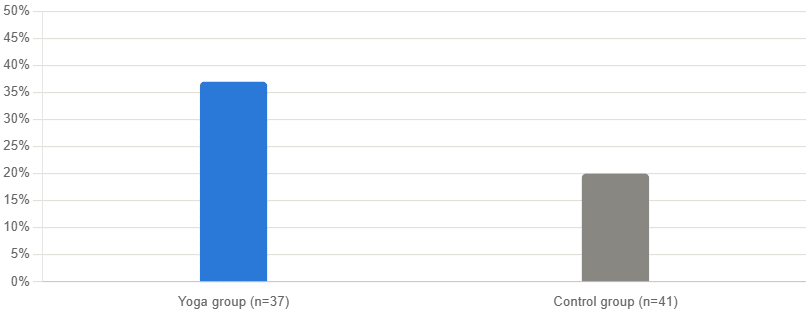
A well-designed randomized trial in the American Journal of Gastroenterology enrolled 79 adults with IBS. They completed an eight-week virtual Hatha yoga program. IBS symptom severity scores decreased significantly in the yoga group, while the control group showed no significant change. More specifically, 37 percent of the yoga group reached a clinically meaningful improvement in symptoms compared to 20 percent of the control group, and yoga participants also reported better quality of life, lower fatigue, and reduced perceived stress. Wiley Online LibraryScienceDirect
Morning vs Evening Yoga Which Time Gives Best Results?
A separate 12-week randomized controlled trial tested a structured remedial yoga module. It found significant improvements in symptom severity and quality of life scores in the yoga groups compared to a wait-list control group. PubMed
The Trials That Found Mixed Results
Not every study agrees. A 2026 systematic review and meta-analysis was more cautious. It reported no statistically significant reductions in anxiety, depression, or quality of life across the pooled trials. Variability between study designs likely explains much of that gap. A broader 2025 systematic review covering ten studies reached a more positive conclusion. It found the evidence supports yoga improving IBS symptoms, stress, anxiety, and quality of life overall, though study quality remains only moderate.
So here is the fair summary. Yoga does not work identically for everyone. Any content promising guaranteed cures is not being honest with you. What the evidence consistently supports is a real, biologically plausible mechanism. It also supports meaningful improvement for a meaningful share of practitioners, with essentially no downside risk when practiced safely.
How Yoga Physically Talks to Your Gut
Three mechanisms explain most of what researchers observe. Understanding them makes your own practice far more intentional.
- Vagal tone improvement. Slow breathing, especially exhale-focused breathing, directly stimulates the vagus nerve. This improves what researchers call vagal tone, which supports better stress recovery and digestion.
- Cortisol regulation. Restorative and slow-flow yoga styles reliably lower circulating cortisol during and after practice. That reduces the stress hormone load that disrupts gut motility.
- Mechanical stimulation. Twists, forward folds, and gentle inversions physically massage the digestive organs. This supports motility and reduces stress-related bloating.
Through its emphasis on breathwork and relaxation, yoga activates the parasympathetic nervous system, helping to promote digestion and reduce stress, a known aggravator of gastrointestinal symptoms. That single sentence is the entire mechanism in a nutshell. It is why breath-led practices tend to outperform purely physical ones for gut brain outcomes. ResearchGate
A Simple Weekly Yoga Gut Brain Routine
You do not need ninety-minute studio sessions to see benefit. Here is the structure I recommend to most people starting out.
- Monday and Thursday: 15 minutes of seated diaphragmatic breathing plus gentle seated twists
- Tuesday and Friday: 20 minutes of slow vinyasa focused on forward folds and hip openers
- Wednesday: Restorative yoga with supported child’s pose and legs-up-the-wall, held 5 to 8 minutes each
- Weekend: One longer 30 to 45 minute session combining breathwork, twists, and a short meditation
A breathing pattern worth building into any of these days is the 4-7-8 technique. Inhale through the nose for a count of four. Hold for seven. Exhale slowly through the mouth for eight. It is one of the fastest ways to shift out of a stressed state and into rest-and-digest mode. It takes under two minutes to feel the shift.

For a full anti-inflammatory approach that pairs well with this routine, our anti-inflammatory yoga routine guide is worth bookmarking. Gut inflammation and mood disruption so often travel together.
Poses That Target the Gut Brain Connection Specifically
Certain poses show up again and again in the clinical yoga protocols researchers actually study. That is not because they are trendy. It is because they mechanically support vagal activation and digestive motility.
- Supta Matsyendrasana (Supine Twist) gently compresses and releases the colon, supporting motility
- Balasana (Child’s Pose) activates parasympathetic response through forward folding and slow breath
- Viparita Karani (Legs-Up-the-Wall) reduces sympathetic overdrive, especially effective before bed
- Marjaryasana-Bitilasana (Cat-Cow) mobilizes the spine and stimulates abdominal organs rhythmically
- Nadi Shodhana (Alternate Nostril Breathing) balances autonomic nervous system activity, useful when stress and digestive symptoms flare together
Microbiome Yoga USA: What American and European Practitioners Should Know
The microbiome yoga USA conversation has grown fast. American and European researchers increasingly connect gut microbiome diversity to mental health outcomes, not just digestive comfort. Recent research from Harvard Medical School has connected a healthy gut to broader outcomes including immune function and emotional resilience, and clinicians in both regions increasingly treat stress management as part of digestive care, not separate from it. Yoga Classes Dubai
The Benefit Most Gym Reviews Skip Nervous System and Stress Recovery
That shift matters for your own practice. Yoga is not a microbiome supplement. It will not directly repopulate your gut with specific bacterial strains. What it does is create the physiological conditions, lower cortisol, better vagal tone, improved sleep, where a healthy microbiome is more likely to thrive. Diet, sleep, and movement still do the heavy lifting. Yoga is the piece that ties stress regulation into that larger picture.
If hormonal symptoms are part of your picture too, our pillar guide on yoga for hormonal balance in women connects several of these systems together. The related guides on yoga for PCOS, yoga for thyroid issues, and yoga for menopause symptoms are worth exploring too.
For readers managing blood pressure alongside stress and digestive symptoms, this connects further still. Our guide on yoga for high blood pressure covers the cardiovascular side of the same nervous system story.
Real-World Patterns Worth Knowing
Clinical trial data tells one part of the story. Everyday practice patterns tell another. Practitioners and researchers observing real-world yoga programs consistently note that the strongest results come from programs combining postures, breathwork, and meditation together rather than postures alone, and that consistency over 6 to 12 weeks, at 2 to 3 sessions per week, tends to show measurable change. That mirrors what most experienced teachers see in their own students. Gradual, cumulative shifts happen, not dramatic overnight transformation. VIKASA

It lines up with how I coach people through their first month of practice. Expect small wins first. An easier time falling asleep. Slightly less bloating after stressful days. Then expect a fully transformed mood later, not right away. The nervous system changes gradually. That gradual pace is actually a good sign the shift is real, not placebo.
Who Should Be Cautious
Yoga is low-risk for most healthy adults. It is not a substitute for medical evaluation of persistent digestive symptoms, unexplained weight loss, blood in stool, or severe abdominal pain. If you have an active diagnosed GI condition, discuss any new physical practice with your gastroenterologist first. This matters especially around inversions and deep twists. Pregnant readers, people recovering from abdominal surgery, and anyone with severe anxiety disorders should also seek personalized guidance before starting an intensive new routine.
Frequently Asked Questions
Does yoga really affect gut bacteria directly?
Not directly. Yoga does not introduce or remove specific bacterial strains. It supports the stress-reduction environment where a healthy microbiome is more likely to flourish. It works alongside diet and sleep, not in place of them.
How fast can I expect to feel a mood difference from yoga practice?
Some people notice calmer digestion and easier sleep within one to two weeks. Measurable mood and symptom shifts in research trials typically appear over six to twelve weeks of regular sessions.
Is the yoga gut brain connection the same as the placebo effect?
No. Vagal tone, cortisol levels, and heart rate variability are measurable physiological markers. They shift with yoga practice independent of belief or expectation. That separates this from a pure placebo response.
Can yoga replace medication for anxiety or IBS?
No, and no responsible source should suggest that. Yoga is best used as a complementary practice alongside medical treatment, not instead of it.
What is the single best pose to start with for gut brain support?
Legs-up-the-wall paired with slow breathing is the easiest entry point. It requires no flexibility. It reliably shifts the nervous system toward a calmer state within minutes.
Test What You Just Learned
1. Which nerve is primarily responsible for gut-brain communication in yoga’s mechanism of action?
A) The sciatic nerve
B) The vagus nerve
C) The optic nerve
2. Roughly what share of the body’s serotonin is produced in the gut rather than the brain?
A) About 10 percent
B) About 50 percent
C) About 90 percent
3. In the AJG-published randomized trial of yoga for IBS, what percentage of the yoga group reached a clinically meaningful symptom improvement?
A) 15 percent
B) 37 percent
C) 60 percent
4. Which nervous system state does slow yogic breathing primarily activate?
A) Sympathetic, fight-or-flight
B) Parasympathetic, rest-and-digest
C) Somatic, voluntary movement
5. According to current research, is yoga’s effect on IBS symptoms consistent across every published study?
A) Yes, every trial shows identical strong benefit
B) No, results are mixed, though the overall direction favors benefit
C) No, studies consistently show yoga makes symptoms worse
Answer key: 1-B, 2-C, 3-B, 4-B, 5-B
Conclusion
The gut brain connection is not wellness folklore. It is a documented physiological system. Yoga is one of the few daily practices that reliably influences both ends of it at once, through breath, movement, and nervous system regulation. The research is honest rather than perfect. Some trials show strong benefit and others show more modest results. The direction is consistently positive, though, and the practice carries almost no downside when done sensibly. Start small. Stay consistent for a full six weeks before judging results. Treat your mat time as a direct line to your digestive and emotional wellbeing, not just a workout.
References
- Margolis, Cryan, Mayer. “The Microbiota-Gut-Brain Axis: From Motility to Mood.” Gastroenterology, 2021.
- Kavuri et al. “Meditation and Yoga for Irritable Bowel Syndrome: A Randomized Clinical Trial.” American Journal of Gastroenterology, 2023.
- “Remedial Yoga Module Remarkably Improves Symptoms in IBS Patients: A 12-Week RCT.” ScienceDirect, 2015.
- Pavan et al. “The Effectiveness of Yoga for Irritable Bowel Syndrome: A Systematic Review.” Comprehensive Physiology, 2025.
- “Yoga May Not Decrease IBS Symptoms, But More Research Is Needed.” Gastroenterology Advisor, 2026.
- Sri Sri School of Yoga. “How Yoga Can Improve Digestion: The Science Behind the Gut-Brain Connection.”
- MyNutriWeb. “The Gut-Brain Axis: More Than Just a Gut Feeling.”
- Bariatric Fusion. “The Gut-Brain Connection.”