
The first time a teacher whispered “breathe like the ocean” in my ear, I thought she was being poetic. She wasn’t. She was describing the exact sound your throat makes during ujjayi breathing, one of the oldest and most practical breathing tools in the entire yoga system. Ujjayi breath is a slow, throat-controlled breathing pattern that creates a soft, wave-like sound in the back of your throat, and once you learn it, it changes how every single yoga pose feels.
Table of Contents
ToggleUjjayi Breath in Yoga: What It Is and How to Practice It
Kapalabhati Breathing: Benefits, Steps and Contraindications
I have spent 12 years teaching pranayama to students who came in stressed, breathless, and mentally scattered. Ujjayi is usually the first technique that clicks for them, because you feel the effect in your very first breath.
Bhramari Pranayama (Humming Bee Breath): Benefits and Steps
Key Takeaways
| What You’ll Learn | Quick Answer |
|---|---|
| What is ujjayi breath? | A slow nasal breath with a gentle throat constriction that makes an ocean-like sound |
| Common names | Victorious breath, ocean breath yoga, Darth Vader breath |
| Best used for | Vinyasa and Ashtanga practice, stress reduction, focus during poses |
| Research-backed benefit | Lowers heart rate, blood pressure, and rate pressure product within weeks of daily practice |
| Beginner mistake | Forcing the sound from the nose instead of the throat |
| Safe for beginners? | Yes, with normal breathing, avoid forceful practice if pregnant or with respiratory conditions |
| Time to learn | 5 to 10 minutes of practice, most people get the sound within one session |
TL;DR: Ujjayi breath, also called victorious breath or ocean breath yoga, is a slow throat-constricted breath you use throughout a yoga flow to stay calm, focused, and steady. You breathe in and out through the nose while gently narrowing the back of the throat, so each breath sounds like a soft ocean wave. Research on ujjayi pranayama shows it can lower heart rate and blood pressure with regular practice, which is exactly why so many vinyasa and Ashtanga teachers build a whole class around it.
Transcendental Meditation vs Mindfulness: Key Differences 2026
What Is Ujjayi Breath, Really?
Ujjayi comes from Sanskrit. “Ud” means upward or expanding, “jaya” means victory or conquering. Teachers often translate it as victorious breath because the sound and control it demands mirror a small internal triumph over a racing mind.
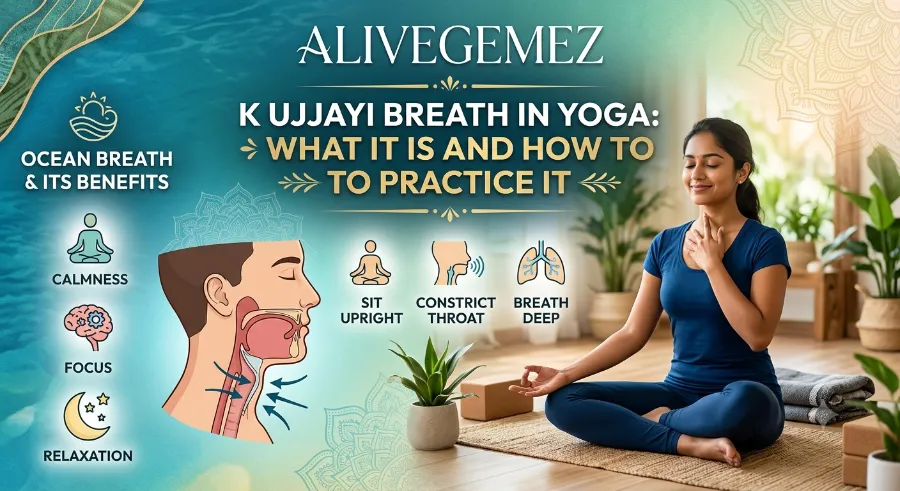
Physically, ujjayi breathing means you breathe in and out through your nose while slightly contracting the back of your throat, near the glottis. That gentle narrowing is what creates the sound, a soft, steady rush similar to ocean waves rolling in and out, or the noise you would make fogging up a mirror, done instead through a mostly closed mouth and nose.
This is different from your normal resting breath in three specific ways:
- The inhale and exhale are both extended and slowed down on purpose
- The throat muscles create audible friction, so you and people near you can hear it
- The breath becomes a rhythm you can track pose after pose, instead of something automatic and unnoticed
Because you’re maintaining an audible, physical anchor, your attention naturally stays on the breath instead of drifting to your to-do list. That’s the real reason ujjayi shows up in nearly every vinyasa and Ashtanga class taught in the United States and Europe today.
Breathing Exercises for Anxiety: 7 Techniques That Work Fast
The History Behind Victorious Breath
Ujjayi is mentioned in classical yoga texts including the Hatha Yoga Pradipika, a 15th-century manual that describes dozens of pranayama techniques used for physical and mental purification. Long before modern yoga studios existed, this breath was practiced during meditation, not movement, to keep the mind alert without agitation.
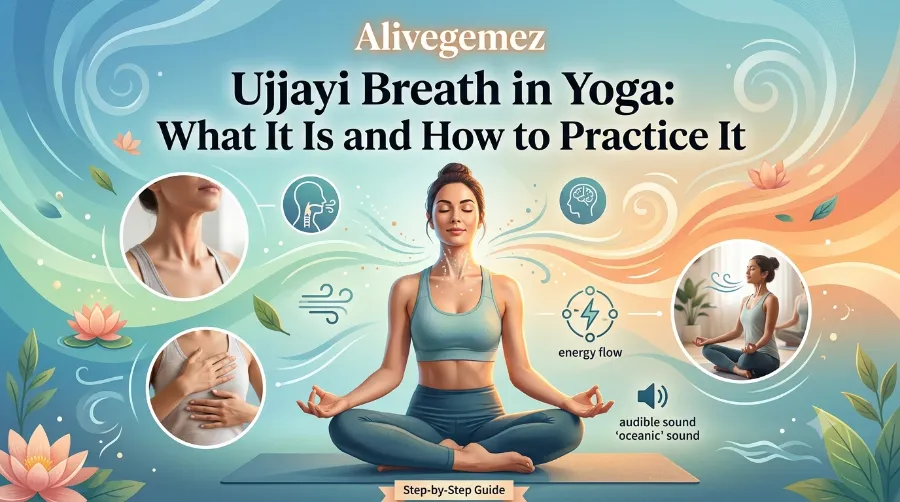
Modern vinyasa and Ashtanga systems, developed and popularized through the 20th century, adopted ujjayi as a constant companion to physical postures rather than a seated-only practice. That shift is why most Western practitioners now associate ujjayi with flowing through sun salutations, when historically it was just as often used sitting completely still.
If you want the fuller backstory on where pranayama techniques originally came from and how they were classified, our pranayama types and benefits guide walks through the major families of breathing practices side by side.
How to Practice Ujjayi Breath Step by Step
You don’t need a mat, a class, or even privacy to learn this. Try it right now.
- Sit or stand comfortably with a tall, relaxed spine
- Open your mouth and exhale slowly like you’re fogging up a mirror or a cold window
- Notice the soft “haaa” sound and the slight throat constriction that creates it
- Close your mouth and repeat that same throat action while breathing only through your nose
- Slow both the inhale and exhale down until each one lasts 4 to 6 seconds
- Keep the sound even and quiet, never forced or strained
- Continue for 5 to 10 breaths, then return to normal breathing
Once the sound feels familiar, layer it into movement. Inhale as you reach up, exhale as you fold forward, always keeping that same steady ocean sound running underneath. This is exactly how the technique gets folded into a full class, and it’s covered in more depth in our beginner’s guide to pranayama breathing exercises.
Common Mistakes Beginners Make
- Squeezing the nostrils instead of the throat, which creates strain rather than sound
- Breathing too fast, which cancels out the calming effect entirely
- Holding the shoulders up near the ears while trying to “get it right”
- Forcing volume, when a quiet, steady sound is actually the goal
What the Research Actually Shows
This is where ujjayi breathing separates itself from wellness trends built on vibes alone. A study published in JCDR followed men practicing ujjayi pranayama followed by relaxation over six weeks, and found a significant decrease in heart rate, systolic pressure, diastolic pressure, pulse pressure, mean arterial pressure, and the rate pressure product after the training period.
Wim Hof Breathing vs Pranayama: What Is the Difference?
A separate three-month trial on healthy adults found that regular ujjayi practice significantly reduced cardiovascular hyperreactivity, including basal blood pressure, the blood pressure spike after cold stress, pulse rate, and respiration rate. That second finding matters because it shows the benefit isn’t just relaxation in the moment, it’s your nervous system getting genuinely less reactive to stress over time. ResearchGate
A more recent comparative study on Shitali, Sheetkari, and Ujjayi pranayamas measured heart rate variability and brainwave activity directly. Researchers reported that total power, low frequency power, and the low-to-high frequency ratio all increased significantly after each pranayama technique, indicating enhanced autonomic regulation. In plain terms, your body’s stress-response system gets measurably steadier. nih
Ujjayi vs. Other Popular Breathing Techniques
| Technique | Sound | Primary Goal | Best Time to Use |
|---|---|---|---|
| Ujjayi (ocean breath) | Soft throat “ocean” sound | Focus and steady energy during movement | During yoga flow, exercise, stressful moments |
| Bhramari (bee breath) | Humming exhale | Deep calm, quick nervous system reset | Before sleep, after a stressful meeting |
| 4-7-8 breathing | Silent, counted | Fast-acting relaxation and sleep onset | Insomnia, acute anxiety spikes |
| Kapalabhati | Sharp, forceful exhale | Energizing, detoxifying | Morning practice, before meditation |
If bee breath sounds unfamiliar, it’s essentially the humming cousin of ujjayi. Bhramari pranayama bee breath asks you to close your ears with your fingers and hum steadily on the exhale, and clinical research backs it strongly too. A trial on patients with primary hypertension found that bee-humming breathing produced measurable improvements in blood pressure and heart rate variability. Two resources worth a look if you want to go deeper on that specific practice are this breakdown of bhramari’s bee breath technique and this step-by-step humming bee breath guide. Njppp
For a quick-acting sleep and anxiety tool that works differently from ujjayi, our 4-7-8 breathing technique guide covers exactly when that counted-breath method beats a throat-based practice.
When to Use Ujjayi Breath
Ujjayi earns its place in three very different situations, and knowing which one you’re in changes how you use it.
- During a vinyasa or Ashtanga flow, ujjayi keeps your breath and movement synced, so you don’t rush through poses or hold your breath without noticing
- During a stressful moment off the mat, five slow ujjayi breaths at your desk can lower your heart rate before a hard conversation or presentation
- During seated meditation, ujjayi gives your mind something concrete to track, which is often easier than “just watching the breath” with no anchor at all
I’ve had students use ujjayi in a hospital waiting room, before a job interview, and mid-argument with a teenager, three completely different rooms, same steady tool.
Is Ujjayi Breath Safe for Everyone?
For most healthy adults, yes. It’s a gentle technique with no forceful holding or straining involved, unlike kapalabhati, which does carry more contraindications. If you want to compare intensity levels directly, our kapalabhati benefits and contraindications guide lays out who should approach that stronger technique with caution.
A few groups should check with a doctor first:
- Pregnant practitioners, particularly in the first trimester
- People with untreated high or low blood pressure
- Anyone with a diagnosed respiratory condition such as severe asthma or COPD
- Anyone who feels dizzy or lightheaded during practice, which is a signal to stop and breathe normally
A Simple 5-Minute Ujjayi Practice You Can Do Today
- Sit tall, close your eyes, relax your shoulders
- Practice the throat sound for 5 breaths with your mouth open, then close it
- Breathe ujjayi through the nose for 2 minutes, counting each inhale and exhale to 4
- Extend the count to 5 for 2 more minutes if comfortable
- Spend the last minute back on normal, unforced breathing, noticing the shift
Ten minutes total, and most students report a noticeably calmer heart rate by the end.
Frequently Asked Questions
Is ujjayi breath the same as ocean breath yoga?
Yes. Ocean breath, victorious breath, and ujjayi all refer to the exact same technique, just different names used across studios and teacher trainings.
Why does ujjayi make my throat feel dry?
Mild dryness is normal at first, especially if you’re breathing through your mouth by accident. Keep both nostrils doing the work and drink water afterward.
Can I practice ujjayi while lying down?
Yes, it works well lying down for relaxation or sleep prep, though most vinyasa classes teach it seated or standing first.
How is bhramari pranayama bee breath different from ujjayi?
Bee breath adds a humming sound on the exhale and typically closes the ears with the fingers, aiming for a deeper, faster calming effect, while ujjayi keeps a steady sound running through both the inhale and exhale, often paired with movement.
How long before I notice a difference?
Many people notice a calmer heart rate within a single 5-minute session. The blood pressure and stress-reactivity benefits found in research typically build over 6 weeks to 3 months of consistent daily practice.
Ujjayi Breath Quiz
1. What does the word “ujjayi” translate to?
A) Quiet breath
B) Victorious breath ✓
C) Fire breath
2. Where does the sound in ujjayi breath come from?
A) The nostrils
B) The lips
C) The back of the throat ✓
3. Which yoga styles most commonly use ujjayi breath throughout practice?
A) Restorative and Yin
B) Vinyasa and Ashtanga ✓
C) Chair yoga only
4. What did the JCDR study find after six weeks of ujjayi practice?
A) Increased heart rate
B) Decreased heart rate and blood pressure ✓
C) No measurable change
5. Which group should check with a doctor before practicing ujjayi?
A) Healthy adults with no conditions
B) Pregnant practitioners or those with respiratory conditions ✓
C) Anyone over the age of 25
Answer Key: 1-B, 2-C, 3-B, 4-B, 5-B
Conclusion
Ujjayi breath is one of those rare wellness tools that’s simple enough to learn in five minutes and useful enough to lean on for the rest of your life. Whether you’re flowing through sun salutations, sitting in traffic, or trying to fall asleep, that same steady ocean sound gives your nervous system a clear signal to slow down. Start with the basic sound today, add it to your next practice, and let the research-backed calm build breath by breath.
References
- Effect of Ujjayi Pranayama on cardiovascular autonomic function tests, JCDR
- Effect of Ujjayi Pranayama on cardiovascular autonomic function tests, njppp.com
- Exploring the Impact of Shitali, Shetkari and Ujjayi Pranayamas on Heart Rate Variability and EEG Patterns, ResearchGate
- Effect of Bhramari Pranayama on Heart Rate Variability in patients with primary hypertension, Mansa Publishers
- Bhramari’s Bee Breath, katlinrobinson.com
- Humming Bee Breath, thephysicalevolution.com
- Benefits and Steps of Bhramari Pranayama, bajajgeneralinsurance.com